7-Eleven's 2026 franchise disclosure document is a map of control. It tells a software or service company where the brand specifies the system, where it names a purchasing path, and where a franchisee has little room to choose. The current disclosure was filed May 2, 2026. This guide reads its FDD as a sales document, not as franchise-buying advice.
What the 2026 filing says
| Filing signal | What it means for your route to market |
|---|---|
| Store information system | Headquarters supplies a proprietary system, and stores must use its computer, cash registers and ordering equipment. |
| Sales data | 7-Eleven has independent access to sales data collected through the store information system. |
| Recommended Vendors | Franchisees must buy at least 85% of total inventory and cigarette purchases from Recommended Vendors. |
| Supplier approval | A non-listed supplier can request approval, subject to 7-Eleven's process and final decision. |
| Future technology | The brand may require new technology and related support or maintenance as its system changes. |
These are different signals. A required system points to a headquarters sale. A supplier process creates a route, not a promise of access. The distinction matters when you read Item 8 and Item 11 together.
Technology is a headquarters decision
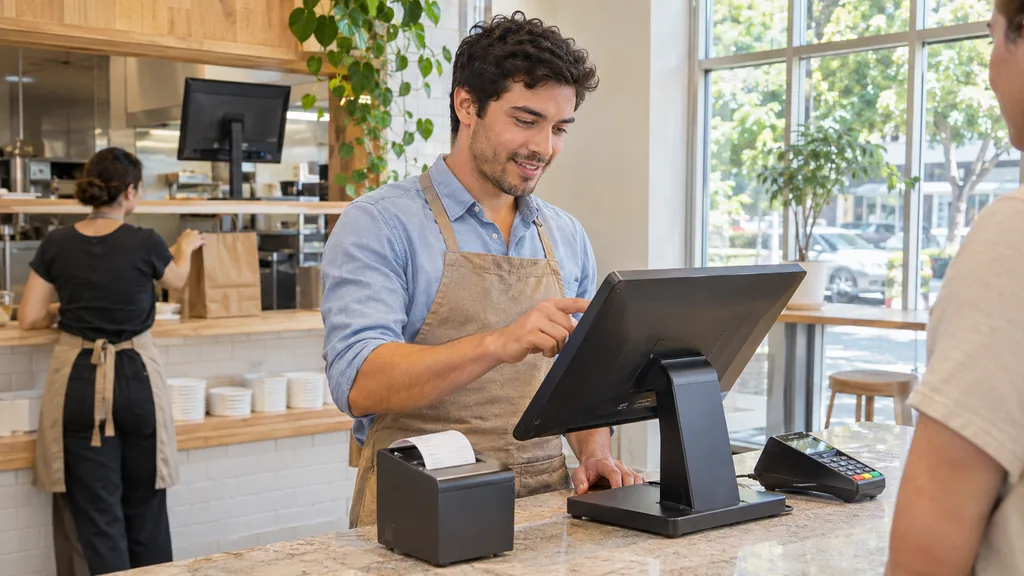
Item 11 says 7-Eleven installs computers in franchisee back rooms as part of its proprietary Store Information System, or SIS. Franchisees use the computer to prepare cash reports and other reports required for bookkeeping. The filing also says stores must use the electronic cash register and ordering equipment in the store.
That is a useful boundary for a POS, back-office, ordering or data product. The brand's system is already in the store, and data access sits with headquarters. A product that changes the core operating stack needs a corporate case. A product that fits alongside the required system still needs to show how it works inside that environment. The technology clauses in an FDD are where that difference becomes visible.
The filing goes beyond the equipment already installed. It says 7-Eleven may require digital, e-commerce, mobile commerce, self-checkout, mobile checkout, delivery, ordering, apps, analytics and related infrastructure. It may require franchisees to use, maintain, retire and replace technology as set out in the operations manual or other written notices. That does not identify a current opening for a particular product. It does show who can create or change the requirement.
The supplier rule is specific
Item 8 requires a franchisee to make at least 85% of total inventory purchases and, separately, 85% of cigarette purchases from Recommended Vendors. The filing says the calculation is monthly and based on cost. It also states that proprietary products and fresh foods must come from designated sources or through sources 7-Eleven specifies.
For products tied to inventory, distribution or equipment, the buying path is therefore not a generic local-sales motion. Start by deciding whether your product is inside a designated category, adjacent to one, or outside the purchasing rule. That is the practical reason to check which FDD sections name the buyer before you build the account list.
A non-listed supplier can ask for approval
The filing gives a supplier route. A franchisee or the supplier can submit a written request to make a Bona Fide Supplier a Recommended Vendor. 7-Eleven says it will review the supplier's qualifications and has the sole right to decide whether the supplier meets its business and related requirements. It may inspect facilities, require samples or laboratory testing, and require the supplier or franchisee to pay those costs. The disclosure says it will notify the requester of approval or disapproval within 60 days after receiving the necessary data and cooperation.
Treat that as a qualification process, not an invitation to pitch every store. A sales team needs evidence that its product belongs in a category the brand can approve, plus a reason that survives the brand's standards, procurement and operating requirements. Selling into franchise systems usually starts with that test.
Fees show how the system is structured
| 2026 filing item | Disclosed term |
|---|---|
| Initial franchise fee | $25,000. |
| Initial investment | $736,900 to $1,434,800. |
| 7-Eleven Charge | 18% of gross profit under the business conversion franchise agreement. |
| Advertising fee | 1% of gross profit for the current month. |
| Required purchases | The filing estimates required purchases at about 85% to 95% of both opening cost and operating expenses. |
These figures come from Items 5, 6, 7 and 8 of the current disclosure. They are context for a sales team, not a price list for your own product. The more useful question is whether your product changes a required expense, adds to it, or helps the store operate inside it. Royalty and advertising fee terms help show why a filing's fee table is only one part of the commercial picture.
How to build the account plan
- Classify your category. Separate core systems, equipment and procurement products from services that can sit beside the required stack.
- Read Items 8 and 11 together. One tells you how products and services are sourced. The other tells you how the operating system, data and technology requirements work.
- Build the headquarters case first. If the product touches required technology, designated equipment or supplier rules, a store-level conversation is not the decision path.
- Use the approval route only when it fits. Prepare for the brand's supplier standards, data request and possible testing costs before treating the process as a pipeline stage.
The same approach applies beyond 7-Eleven. A filing can show whether headquarters controls the category, whether the brand names suppliers and whether the terms leave room for a new provider. Read the FDD guide for B2B sales teams for the wider method, then use the franchise directory to research a specific target.